
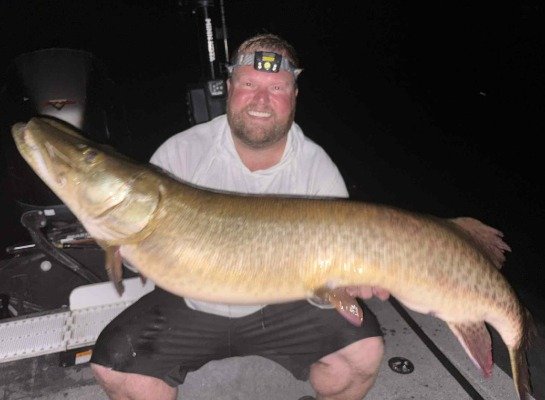
Boat winterization cost in Wisconsin starts at around $150 and $500 or more for professional winterization depending on engine type — but that number only tells part of the story. In a state where lake ice is measured in feet and temperatures regularly drop below zero, what you spend on winterization is one of the best investments you’ll make in your boat. A cracked engine block from skipped winterization can cost $5,000 to $15,000 to repair. The math on doing it right is simple.
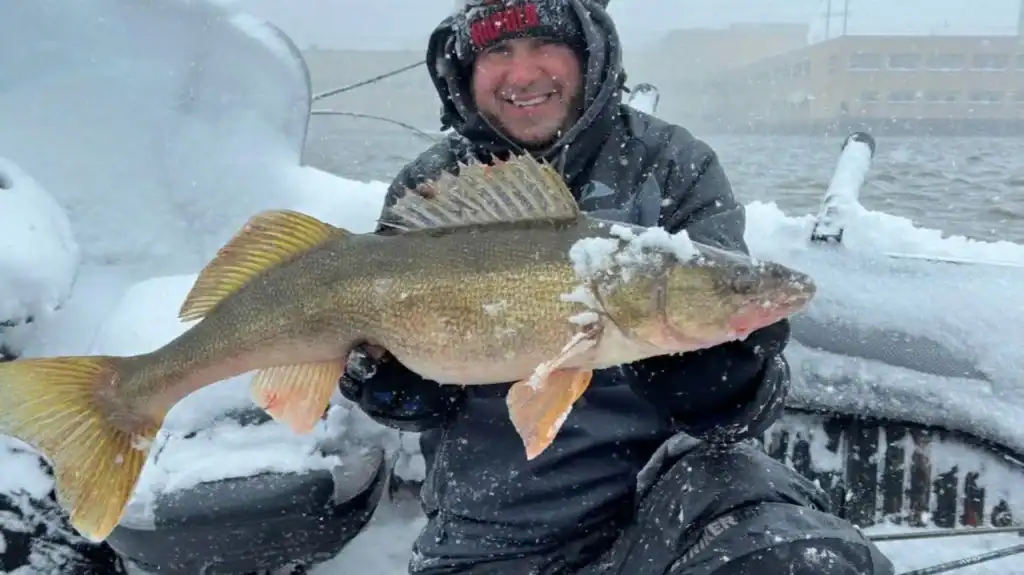
Most years I start fishing the Green Bay walleye run in February and March and don’t pull the boat out until a couple of late November trips to Lake Geneva or Door County. I’ve seen what a Wisconsin October can do to a boat that wasn’t properly put away before the first hard freeze — and the repair bill is always more painful than the winterization would have been.
Wisconsin Winterization Costs by Engine Type
The single biggest factor in what you’ll pay is engine type. Outboard motors are the simplest and least expensive to winterize. Inboards and sterndrives require antifreeze to be run through the cooling system — a more involved process that takes more time and costs more. Here are current pricing benchmarks from Wisconsin marine shops:
| Engine Type | What’s Included | Typical Cost (Labor + Parts) |
Outboard 2-Stroke | Fog motor, fuel treatment, gear lube change | $150 – $200 |
Outboard 4-Stroke | Fog motor, fuel treatment, oil/filter/gear lube change | $280 – $380 |
| Inboard | Antifreeze through cooling system, fog motor, fuel treatment, oil/filter change | $336 – $450 |
Sterndrive (I/O) | Antifreeze through cooling system, fog motor, fuel treatment, oil/filter/gear lube change | $390 – $520 |
PWC 2-Stroke | Fog motor, fuel treatment, disconnect battery | $150 – $200 |
PWC 4-Stroke | Fog motor, fuel treatment, disconnect battery, oil/filter change | $280 – $350 |
All prices are labor plus basic parts. Additional services like impeller replacement, ballast tank winterization, heater system winterization, and shrink wrapping are quoted separately — see the full breakdown below.
What Wisconsin Shops Charge for Add-On Services
Most Wisconsin shops quote winterization as a base service. The add-ons are where costs vary significantly — and where Wisconsin’s specific climate makes certain services non-optional that boaters in milder states routinely skip. Many shops in Wisconsin that offer winterization services, also provide storage solutions.
| Add-On Service | Typical Cost | Wisconsin-Specific Note |
| Impeller replacement | $80 – $200 parts and labor | Strongly recommended annually — rubber degrades sitting dry over 5-6 month Wisconsin winters |
| Shrink wrapping | $20 – $30 per foot | Essential for outdoor storage — protects against snow load, UV, and moisture |
| Indoor storage | $35 – $40 per running foot | Most Wisconsin shops charge per foot — a 20-foot boat runs $700 – $800 for the season |
| Outdoor storage | $18 – $22 per running foot | Lower cost but requires good shrink wrap |
| Ballast tank winterization | $55 – $65 per tank | Critical for wake boats — ballast tanks crack when water freezes |
| Heater system winterization | $55 – $70 | Required if your boat has a cabin heater |
| Boat lift removal and storage | $250 – $400 | Standard seasonal service in Wisconsin |
| Acid wash — fiberglass | $15 per foot plus materials | Good time to address calcium buildup before spring |
What Does a Full Wisconsin Winterization Package Actually Cost?
Most Wisconsin boat owners don’t just pay for engine winterization — they bundle it with shrink wrap and storage. Here’s what realistic all-in packages look like for the most common boat types on Wisconsin lakes:
| Boat Type | Engine Winterization | Shrink Wrap | Outdoor Storage | Estimated Total |
| 16-ft aluminum fishing boat (2-stroke outboard) | $150 – $200 | $320 – $480 | $290 – $355 | $760 – $1,035 |
| 20-ft fiberglass fishing boat (4-stroke outboard) | $280 – $380 | $400 – $600 | $360 – $440 | $1,040 – $1,420 |
| 22-ft pontoon (4-stroke outboard) | $280 – $380 | $440 – $660 | $395 – $485 | $1,115 – $1,525 |
| 21-ft sterndrive (I/O) | $390 – $520 | $420 – $630 | $375 – $460 | $1,185 – $1,610 |
| 24-ft wake boat with ballast (inboard) | $450 – $600 | $480 – $720 | $430 – $530 | $1,360 – $1,850 |
These are estimates based on current Wisconsin shop pricing. Actual costs vary by shop, location, and what condition the boat is in when it arrives. Northwoods shops in areas like Hayward, Minocqua, and Eagle River book up fastest — often by late September. Southern Wisconsin shops near Lake Geneva, Madison, and Kenosha tend to have slightly more flexibility but still fill their fall schedules quickly.
Why Wisconsin Winterization Costs More Than You Might Expect
My family has had a cabin in the Hayward area for nearly 50 years so I’ve heard the horror stories firsthand. A few years ago I helped a neighbor who was new to boat ownership with some additional winterization steps after he’d already hired a professional — vacuuming out debris, setting rodent deterrents, making sure everything was truly sealed. He put the cover on a couple days later and headed home for the winter. By spring, the snow load had completely collapsed his cover and caused extensive water damage to the interior. Every step of winterization matters — the professional service is just the beginning.
Wisconsin is not Minnesota-cold, but it is colder and longer than most Midwest boat owners anticipate when they first move here. The boating season runs roughly late May through early October — five months of use followed by nearly seven months of storage. That’s a longer off-season than Missouri, Indiana, or Illinois, and the temperature swings are more severe. Here’s what Wisconsin’s specific conditions mean for your boat:
- Freeze depth: Wisconsin lakes regularly freeze 18 to 36 inches deep. Any water trapped in engine passages, ballast tanks, or plumbing that wasn’t properly drained or treated with antifreeze can expand and crack whatever is containing it.
- Humidity swings: Wisconsin winters bring significant humidity variation. A boat that isn’t properly sealed and dried before storage is vulnerable to mold, mildew, and internal corrosion throughout the winter — even without freeze damage.
- Rodent season: Boats stored outdoors or in unheated buildings in Wisconsin are prime winter habitat for mice. They nest in upholstery, chew through wiring, and can cause hundreds or thousands of dollars in damage in a single winter. Shrink wrapping and proper sealing matters.
- Snow load: A 22-foot pontoon under a Wisconsin snowpack can accumulate significant weight. Improperly supported boats stored outdoors have been damaged by structural stress from heavy snow. Shrink wrap with proper support structures helps distribute the load.
- Spring rush: Wisconsin shops process a massive volume of winterization work in a compressed 6-8 week window each fall. Boats that arrive later in the season — October and November — are competing for the same service slots. Shops that were doing careful, thorough work in September are moving faster in November. Book early.
DIY Winterization vs Professional Service in Wisconsin
Some Wisconsin boat owners winterize their own boats — and for experienced owners with the right equipment, it’s a legitimate option. Here’s the honest comparison:
| DIY Winterization | Professional Service | |
| Cost | $50 – $150 in supplies | $150 – $520 depending on engine type |
| Time required | 2 – 4 hours | Drop off and pick up |
| Risk level | Higher — mistakes are costly | Lower — certified technicians |
| Best for | Experienced owners who know their specific engine | Most Wisconsin boat owners |
| Warranty protection | May void manufacturer warranty if done incorrectly | Maintains warranty when done by certified shop |
| Spring inspection included | No | Many shops include basic inspection |
The honest answer is that DIY winterization makes sense for outboard motors — especially two-strokes where the process is straightforward. Inboards, sterndrives, and wake boats with ballast systems are more complex. One missed drain point or improperly flushed cooling passage in a Wisconsin winter can crack an engine block. The repair cost will far exceed whatever you saved by doing it yourself. For most Wisconsin boat owners the math favors professional service.
When Should You Winterize Your Wisconsin Boat?
The rule of thumb for Wisconsin is simple — before the first hard freeze, which can arrive as early as late October in the Northwoods and early November in southern Wisconsin. But the practical answer is earlier than that.
- Northwoods Wisconsin (Hayward, Minocqua, Eagle River, Rhinelander): Target late September through mid-October. Lakes in this region can freeze earlier than most people expect and shops in these areas book solid by early October.
- Central Wisconsin (Wausau, Stevens Point, Wisconsin Rapids): Mid-October is the target window. Lake Winnebago area shops handle high volume — book early.
- Southern Wisconsin (Madison, Lake Geneva, Kenosha, Milwaukee): Late October through early November gives more flexibility but don’t push it. An early cold snap in southern Wisconsin is not uncommon.
A few years ago a friend and I were heading up to Oconto in early April for the walleye run. On the ride up I asked him — ‘Have you had the boat out yet?’ He hadn’t. Sure enough, the moment we eased through the no-wake zone we heard something wrong coming from the lower unit. He had gone through his winterization checklist — but missed the lower unit oil change. Water had gotten in over the winter, froze, expanded, and put a small crack in the gear case. It was an expensive lesson learned on the water instead of in the driveway. Two takeaways every Wisconsin boat owner should know: first, always complete every step of winterization — missing one item can cost you the whole season. Second, before your first real trip of the year, run the boat on a local lake close to home so any problems surface where they’re easy to fix, not two hours from the nearest shop.
The shops that do the best work — the ones with certified technicians and thorough processes — fill up first. If you’re calling in mid-October hoping for a same-week appointment, you’re already late in most Wisconsin lake communities.
From the Water
I’m based in Northern Illinois and fish well into December, starting back up again in March — so I’ve had to be strategic about winterization timing my whole boating life. I watch the extended forecast closely, and if a long stretch of hard freezing weather is coming I’ll end my season a week or two earlier than I’d like rather than risk it. It’s never a fun call to make but it’s always the right one. If you’re not completely confident in your ability to hit every step of the winterization process — hire a professional. The cost of a missed step during an upper Midwest winter makes the service bill look small.
Frequently Asked Questions About Wisconsin Boat Winterization
How much does it cost to winterize a boat in Wisconsin?
Most Wisconsin boat owners pay between $150 and $520 for engine winterization depending on engine type — outboard two-strokes start around $150 and sterndrives run $390 to $520 before add-ons. When you bundle engine winterization with shrink wrap and outdoor storage, a typical Wisconsin boat package runs $800 to $1,600 depending on boat size and location.
When should I winterize my boat in Wisconsin?
Target late September through mid-October for Northwoods Wisconsin, and mid to late October for central and southern Wisconsin. The best shops fill their fall schedules early — calling in November often means waiting in line behind everyone who waited too long.
What happens if I don’t winterize my boat in Wisconsin?
Water left in engine passages, cooling systems, or ballast tanks freezes and expands — cracking engine blocks, manifolds, heat exchangers, and any plumbing that wasn’t properly drained or treated with antifreeze. Engine block replacement costs $5,000 to $15,000 or more. Even partial freeze damage to a sterndrive or inboard can run $2,000 to $5,000 in repairs. Wisconsin winters are not forgiving to improperly stored boats.
Is shrink wrapping worth it in Wisconsin?
Yes for outdoor storage — it’s one of the better per-dollar investments in Wisconsin boat ownership. Shrink wrap protects against snow load, UV degradation, moisture infiltration, and rodent entry. At $20 to $30 per foot for a one-season cover it’s significantly less expensive than the damage an unprotected Wisconsin winter can cause to upholstery, wiring, and interior surfaces.
Can I winterize my own boat in Wisconsin?
Experienced boat owners comfortable with their specific engine can successfully DIY winterization on outboard motors. Inboards, sterndrives, and boats with ballast tanks are more complex — a missed drain point in a Wisconsin winter means a cracked engine. If you’re not certain you know every water passage in your engine’s cooling system, professional service is worth the cost.
H
Find a Wisconsin Boat Winterization Shop Near Your Lake
Find Boat Services lists verified motor repair and boat storage providers across Wisconsin — organized by lake and waterway so you can find shops that specifically serve the water you boat on. Whether you’re on Lake Winnebago, Lake Geneva, the Northwoods chain lakes, or anywhere in between — browse Wisconsin providers below.

Author: Aaron Drendel
A US Navy veteran, Aaron has worked as a commercial Salmon fisherman in Alaska, canoed 2,500 miles down the Mississippi River from source to sea, and is a lifelong fisherman in the Midwest region. He founded Find Boat Services to ensure fellow boaters across the Heartland spend less time on the trailer and more time on the water.


Leave a Reply