
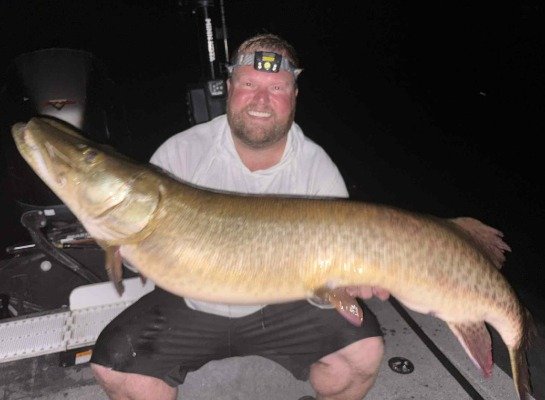
Boat winterization cost in Minnesota runs $160 and $525 for professional winterization depending on engine type — and that number climbs quickly when you add storage, shrink wrap, and the AIS (Aquatic Invasive Species) decontamination steps that Minnesota law requires before the season ends. With over 11,000 lakes, one of the longest off-seasons in the Midwest, and some of the most aggressive aquatic invasive species regulations in the country, winterization in Minnesota isn’t just about protecting your engine. It’s about protecting every lake in the state.
How much does boat storage cost in the Midwest in 2026?
Minnesota boating isn’t just a hobby; it’s a culture, from the crowded slips of Lake Minnetonka to the stump-filled bays of Leech Lake. Having fished many of these lakes and paddled the length of the Mississippi, I know that the season is short and winters are brutal. In this climate, winterization isn’t a suggestion—it’s critical. Whether you’re protecting a $150,000 wake boat or a reliable old 16-foot Lund, one missed drain plug or a cheap fuel stabilizer can end your season before the ice even breaks.
Minnesota Boat Winterization Costs by Engine Type
Minnesota marine shops price winterization similarly to Wisconsin — but there are regional differences worth knowing. The Twin Cities metro area and Brainerd lakes region have the highest concentration of shops and the most competitive pricing. Minnesota shops in areas like Alexandria, Willmar, and the Iron Range tend to book faster and have less pricing flexibility during peak fall season. Here are current pricing benchmarks from Minnesota marine shops:
| Engine Type | What’s Included | Typical Cost (Labor + Parts) |
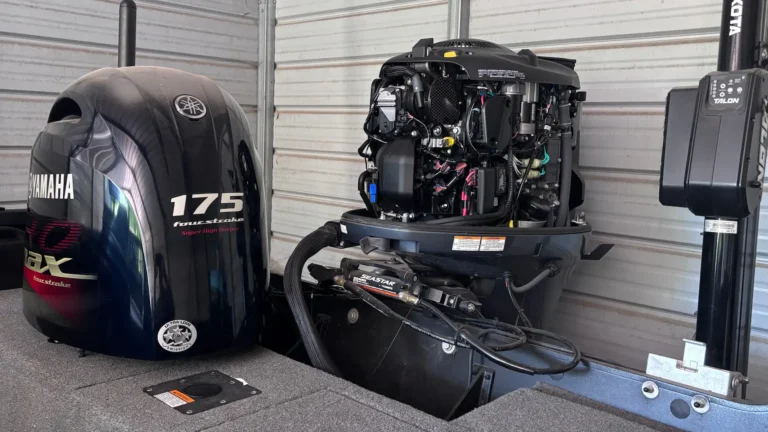
| Outboard | Fog motor, fuel treatment, gear lube, oil and filter | $160 – $250 |
| Inboard or I/O Sterndrive | Antifreeze through cooling system, fog motor, fuel treatment, oil and filter | $375 – $525 |
| PWC — Jet Ski | Fog motor, fuel treatment, disconnect battery, oil and filter change | $210 – $275 |
| Ballast tanks — up to 3 locations | Drain and antifreeze treatment | $185 – $215 |
| Ballast tanks — 4 to 6 locations | Drain and antifreeze treatment | $235 – $265 |
| Ballast tanks — 7 or more locations | Drain and antifreeze treatment | $290 – $320 |
| Heater system | Drain and antifreeze treatment | $100 – $130 |
| Shower system | Drain and antifreeze treatment | $100 – $130 |
Pricing is labor plus basic parts. Oil changes, impeller replacement, and additional inspections are typically quoted separately. Many Minnesota shops include a multi-point inspection with winterization — ask specifically what is included before booking.
Minnesota Storage Costs — What You’ll Actually Pay
Storage pricing in Minnesota is where costs vary most significantly — primarily because indoor heated storage is in genuinely high demand in a state that regularly sees temperatures of -20°F or colder. Here’s what Minnesota boaters are currently paying:
| Storage Type | Typical Cost | Notes |
| Indoor secure storage — October through April | $800 – $950 flat rate | Most competitive option — book early, fills fast |
| Indoor heated storage | $450 – $550 per month | Premium option — best for high-value boats |
| Outdoor storage — October through April | $300 – $400 flat rate | Lower cost — requires shrink wrap |
| Shrink wrap — boats | $550 – $650 flat rate | Standard for outdoor storage protection |
| Shrink wrap — pontoons | $550 – $650 flat rate | Pontoons require careful wrap due to shape |
| Spring startup included | Often bundled with indoor storage | Verify what’s included — valuable in Minnesota |
| Pick up and delivery — Twin Cities metro | $100 – $200 per trip | Available from most larger Minnesota shops |
| Pick up and delivery — Brainerd and Alexandria | $150 – $250 per trip | Distance surcharge applies outside metro |
One Minnesota-specific note worth knowing — many shops offer early payment discounts of $75 to $100 off storage packages when you book and pay before September. In a state where good indoor storage is genuinely scarce, this discount is worth taking. Waiting until October to book storage in the Brainerd lakes region or on Lake Minnetonka is a mistake most Minnesota boaters only make once.
What a Full Minnesota Winterization Package Costs
Most Minnesota boat owners bundle winterization with storage and spring startup into a single seasonal package. Here’s what realistic all-in costs look like for the most common boat types on Minnesota lakes:
| Boat Type | Engine Winterization | Shrink Wrap | Outdoor Storage | Estimated Total |
| 16-ft aluminum fishing boat (outboard) | $160 – $210 | $300 – $400 | $300 – $400 | $760 – $1,010 |
| 18-ft walleye boat (4-stroke outboard) | $200 – $250 | $400 – $500 | $300 – $400 | $900 – $1,150 |
| 22-ft pontoon (4-stroke outboard) | $200 – $250 | $550 – $650 | $300 – $400 | $1,050 – $1,300 |
| 21-ft sterndrive (I/O) | $375 – $525 | $450 – $550 | $300 – $400 | $1,125 – $1,475 |
| 24-ft wake boat with ballast (inboard) | $525 – $700 | $550 – $700 | $300 – $400 | $1,375 – $1,800 |
The Minnesota AIS Factor — What Every Boat Owner Must Do Before Storing
This section has no equivalent in a Wisconsin or Illinois winterization guide. Minnesota has one of the most aggressive aquatic invasive species programs in the country — and it directly affects how you end your boating season and prepare your boat for winter storage.
Minnesota law requires all watercraft operators to follow Clean, Drain, and Dispose protocols every time they leave a public water access — infested lake or not. Before you pull your boat for the winter, here’s what the Minnesota DNR requires:
- Clean — Remove all aquatic plants, zebra mussels, and other prohibited invasive species from your boat, trailer, and water-related equipment before leaving any water access
- Drain — Drain all water from live wells, bait wells, bilge, motor, and any water-holding compartments. Keep drain plugs out during transport
- Dispose — Dispose of unwanted bait in the trash. Never release bait into a waterbody or move water between lakes
- Dry — If your boat has been in zebra mussel-infested waters, dry for at least 5 days before moving to another water body, or have it decontaminated at a free DNR station
- Decontaminate — The Minnesota DNR operates 26 decontamination units statewide and conducts 450,000+ inspections annually. Decontamination is free and inspectors can deny launch if your boat shows prohibited species
The practical implication for winterization is this — if your boat spent any part of the season on a zebra mussel-infested lake like Mille Lacs, Lake Minnetonka, Gull Lake, or dozens of others on the DNR’s infested waters list, you need to factor decontamination into your end-of-season process before putting the boat into storage. A boat that goes into winter storage with zebra mussels attached and then comes out in spring to launch on a clean lake is a serious legal and ecological problem.
Many Minnesota shop owners will inspect for and remove visible AIS as part of their winterization service — but ask specifically. Do not assume it is included.
Why Minnesota Winterization Has Unique Challenges
I’ve fished the early spring walleye run out of Evert’s Resort in Red Wing several times — on a good weekend there are 500 boats on the water, nearly side by side. That’s also where I’ve seen the most breakdowns. For a lot of Minnesota boaters it’s their first trip out after a long winter, and it shows. A boat that sputters through the no-wake zone on opener morning in front of 499 other anglers is a boat that wasn’t properly put away in October.
Minnesota presents three specific winterization challenges that don’t apply the same way in neighboring states:
- Temperature extremes: Minnesota regularly experiences temperatures of -20°F to -30°F in January and February — colder than Wisconsin and significantly colder than Illinois or Missouri. Any water remaining in engine passages, ballast tanks, or plumbing at these temperatures will expand and crack whatever is containing it. There is no margin for a partial winterization job in Minnesota.
- The longest off-season in the Midwest: Minnesota’s boating season runs roughly mid-May through early October — about five months. That leaves seven months of storage. Engine fogging, fuel stabilization, and battery maintenance matter more in a seven-month Minnesota winter than they do in a six-month Wisconsin or five-month Illinois off-season.
- AIS compliance requirements: No other Midwest state has Minnesota’s level of mandatory AIS inspection infrastructure. With nearly 1,000 seasonal inspectors conducting over 450,000 inspections annually — and the legal authority to deny launch — Minnesota boaters who skip end-of-season AIS protocols face real consequences. This adds a procedural step to winterization that boaters moving from other states don’t always know about.
When to Winterize Your Minnesota Boat
Minnesota’s boating season closes faster than most boat owners expect. Here’s the regional timing breakdown:
| Region | Target Winterization Window | Notes |
| Northern Minnesota — Boundary Waters, Iron Range, Bemidji | Mid-September through early October | Earliest freeze risk in the state — don’t wait |
| Brainerd Lakes region — Gull Lake, Pelican Lake, Mille Lacs | Late September through mid-October | High shop volume — book early |
| Alexandria lakes region — Lake Le Homme Dieu, Minnewaska | Late September through mid-October | Fills fast — popular walleye destination |
| Twin Cities metro — Lake Minnetonka, White Bear Lake | Mid-October through early November | Most shop capacity — still book by September |
| Southern Minnesota — Albert Lea, Mankato, Rochester area | Late October through mid-November | Longest window but don’t push it |
The fishing opener on Mille Lacs and the walleye lakes in May is one of the most anticipated events in Minnesota boating. The boaters who are ready at the ramp on opener morning — boat running clean, impeller fresh, electronics calibrated — are the ones who booked their winterization in September and their spring commissioning in February. The ones scrambling for a same-week appointment in late October are usually starting the next season behind schedule too.
DIY vs Professional Winterization in Minnesota
The same DIY calculus that applies in Wisconsin applies in Minnesota — with the temperature caveat turned up a notch. At -20°F a missed drain point doesn’t just crack a cooling passage. It can catastrophically fail an engine block. Here’s the honest comparison:
| DIY Winterization | Professional Service | |
| Cost | $60 – $175 in supplies | $160 – $525 depending on engine |
| Temperature risk | Higher — Minnesota’s extremes are unforgiving | Lower — certified technicians know every drain point |
| AIS compliance | Your responsibility to verify | Many shops inspect and document |
| Best for | Experienced owners — outboard motors specifically | Most Minnesota boat owners — especially inboards and I/Os |
| Spring startup included | No | Often bundled with storage packages |
| Warranty protection | May void if done incorrectly | Maintained with certified shop service |
From the Water
One thing I’ve learned launching in the cold months — bring a bag of ice-melting salt in the truck. Early spring and late fall ramps can be genuinely dangerous, and most people don’t think about it until they’re sliding. And when you pull out, stop at the bottom of the ramp for a few minutes before driving up. Let the water drain off the trailer and hull completely. The person launching behind you will thank you — an icy ramp built up from the boat ahead is one of those hazards nobody talks about until someone goes down.
Frequently Asked Questions About Boat Winterization Cost in Minnesota
How much does it cost to winterize a boat in Minnesota?
Most Minnesota boat owners pay between $160 and $525 for engine winterization depending on engine type — outboards start around $160 and inboards or sterndrives run $375 to $525. Add shrink wrap and outdoor storage and a typical Minnesota seasonal package runs $760 to $1,800 depending on boat size, storage type, and region.
Does Minnesota require AIS inspection before storing my boat for winter?
Minnesota law requires all boaters to Clean, Drain, and Dispose every time they leave a public water access — including at the end of the season before winter storage. If your boat has been in zebra mussel-infested waters, the DNR recommends drying for at least 5 days or using a free decontamination station before moving the boat. The Minnesota DNR operates 26 decontamination units statewide and inspectors have legal authority to deny launch for non-compliance.
When should I winterize my boat in Minnesota?
Northern Minnesota boat owners should target mid-September through early October. Brainerd, Alexandria, and central Minnesota lake regions should target late September through mid-October. Twin Cities metro boaters have until mid to late October but should book by September — the best shops fill their fall schedules early.
What happens if I don’t winterize my boat in Minnesota?
Minnesota’s -20°F to -30°F winter temperatures are among the most damaging in the Midwest for improperly stored boats. Water left in engine cooling passages, ballast tanks, or plumbing will freeze and expand — cracking engine blocks, manifolds, and heat exchangers. Engine block replacement costs $5,000 to $15,000. Even partial freeze damage to a sterndrive or inboard can run $2,000 to $5,000. At Minnesota temperatures the damage happens faster and more completely than in milder Midwest states.
Is indoor boat storage worth it in Minnesota?
For high-value boats — yes, strongly. Minnesota’s temperature swings between December and February are severe enough that outdoor storage with good shrink wrap is adequate for most boats, but indoor heated storage eliminates freeze risk entirely and significantly reduces rodent and moisture damage over a seven-month winter. The price premium for indoor storage is typically $400 to $600 more than outdoor — money well spent on a boat worth $30,000 or more.
Find a Minnesota Boat Winterization Shop Near Your Lake

Author: Aaron Drendel
A US Navy veteran, Aaron has worked as a commercial Salmon fisherman in Alaska, canoed 2,500 miles down the Mississippi River from source to sea, and is a lifelong fisherman in the Midwest region. He founded Find Boat Services to ensure fellow boaters across the Heartland spend less time on the trailer and more time on the water.

Leave a Reply