
Lake Minnetonka is Minnesota’s most iconic boating destination — and one of the most heavily used recreational lakes in the entire Midwest. At over 14,000 acres with more than 100 miles of shoreline, it is the largest lake in the Twin Cities metropolitan area and sits just 15 miles west of downtown Minneapolis. With 23 named bays, 13 surrounding municipalities, a world-class musky and bass fishery, and some of the most valuable lakefront real estate in Minnesota — it is a lake that operates on a different scale than nearly any other inland lake in the Midwest. This guide covers what every boat owner needs to know about boating, fishing, finding marine service, and navigating the unique regulatory environment on Lake Minnetonka.
Lake Minnetonka is one of those anomalies that surprises people who haven’t been there — similar to Lake Geneva in Wisconsin. It’s an extremely busy lake filled with high-end fiberglass boats that look more at home on Lake Michigan than a Minnesota inland lake, and yet it’s also a legitimate fishery that serious anglers don’t overlook. By northern Minnesota standards, Tonka is an excellent largemouth bass lake — which doesn’t always get the attention it deserves alongside the musky and walleye reputation. I fished a musky tournament there years ago and ended up catching a 4-plus pound largemouth on a giant musky bucktail. Not what I was targeting — but that’s Lake Minnetonka. You never quite know what’s going to eat your bait, and the lake never quite fits the category you try to put it in.”
Lake Minnetonka — The Facts Every Boat Owner Should Know
Lake Minnetonka is not one lake — it is a system of interconnected basins, bays, and channels that collectively create one of the most complex and diverse lake environments in Minnesota. Understanding the lake’s geography is essential before you launch.
| Fact | Detail |
| Size | 14,205 acres — over 22 square miles |
| Shoreline | Over 100 miles |
| Maximum depth | 113 feet |
| Average depth | 30 feet |
| Named bays | 23 |
| Location | 15 miles west-southwest of Minneapolis |
| Counties | Hennepin and Carver |
| Surrounding municipalities | 13 incorporated cities and townships |
| Public boat launches | Over a dozen DNR-maintained access points |
| Ranking | Minnesota’s ninth largest lake — largest in the Twin Cities metro |
| Primary AIS concerns | Zebra mussels — established. Eurasian watermilfoil — established |
| Managed by | Lake Minnetonka Conservation District (LMCD) in coordination with Minnesota DNR |
The Lake Minnetonka Conservation District — the LMCD — is the regulatory body that governs much of the lake’s boating rules in coordination with the Minnesota DNR. This dual-layer regulatory structure means Lake Minnetonka has some rules that go beyond standard Minnesota boating law. The LMCD coordinates boating regulations across all 13 municipalities surrounding the lake — ensuring consistent rules in a lake system that spans multiple jurisdictions. Understanding LMCD regulations is not optional for anyone boating on Minnetonka.
The Boating Regulations That Make Lake Minnetonka Unique
Lake Minnetonka has some of the most specific boating regulations of any inland lake in the Midwest — and they are actively enforced. First-time visitors who assume standard Minnesota boating rules apply will encounter situations that standard rules don’t cover.
- Speed limit near shore — all watercraft and personal watercraft must operate at a maximum of 5 mph within 300 feet of the shoreline. This is strictly enforced across the entire lake system
- Distance from docks and swimmers — maintain at least 150 feet from docks, anchored boats, swimmers, and scuba diver flags at all times
- PWC restrictions — personal watercraft are not permitted within 200 feet of any swimming area or where swimming is prohibited. Additional LMCD restrictions apply in specific bays
- Slow-no-wake zones — extensively posted throughout the bays and narrow channels connecting the lake’s basins. These are not suggestions — violations are actively cited
- Minnesota watercraft operator permit — a new Minnesota law that went into effect in July 2025 requires boaters born after June 30, 2004, to have a watercraft operator’s permit to drive a motorized boat or personal watercraft. The permit requirement will gradually extend to older age groups with full enforcement for all operators starting in 2028. If you’re visiting from another state — check current reciprocity rules with the Minnesota DNR before launching
- Commercial vessel permits — operating any for-hire or charter service on Lake Minnetonka requires a permit from the LMCD in addition to standard Minnesota licensing. This applies to fishing guides, boat rental operations, and charter services
- Yield to sailboats and non-motorized vessels — boaters are required to yield right-of-way to sailboats, canoes, and kayaks throughout the lake
The 5 mph within 300 feet of shore rule is the regulation that catches the most first-time visitors off guard — particularly on a lake where the bays are narrow and the shoreline is heavily developed with private docks. On busy summer weekends the LMCD and local law enforcement actively patrol the lake and the 300-foot zone is measured and enforced. Know your distance from shore before you throttle up.
Marine Service on Lake Minnetonka — Where to Find It
Find Boat Services has over 20 verified marine service providers on and around Lake Minnetonka — concentrated in the Wayzata, Spring Park, Excelsior, Mound, and Shorewood corridors. Here’s the complete service picture by location:
| Location | Shops in Directory | Key Providers |
| Wayzata | 3 shops | North Shore Marina Browns Bay, North Shore Marina Maxwell Bay, River Valley Marine, Wayzata Marine |
| Spring Park | 4 shops | Blue Lagoon Marine, Lake Minnetonka Motorsports, Prime Boatworks, Rockvam Boat Yards |
| Excelsior | 3 shops | Bean’s Greenwood Marina, MarineMax Excelsior, Minnesota Inboard Water Sports |
| Mound | 3 shops | Larry’s Marine Services, Metro Lakes Marina, West Tonka Marine |
| Shorewood / Tonka Bay | 3 shops | Erickson Marine — Tonka Bay Marina, Skipp’s Boat Sales, Tonka Bay Marina |
| Eden Prairie | 2 shops | 6535 Industries, TAG |
| Plymouth / Long Lake | 2 shops | PropMD, River Valley Marine Long Lake |
| Minnetonka | 1 shop | Midwest Water Sports Minnetonka |
Wayzata is the most visible service hub on the lake — River Valley Marine and Wayzata Marine both serve the northern shore with motor repair, electronics, and trailer service. MarineMax in Excelsior is the premium full-service operation on the south shore — handling sales, service, electronics, and storage for the high-end fiberglass and performance boat market that Lake Minnetonka attracts. Rockvam Boat Yards in Spring Park is one of the most established independent yards on the lake with a strong reputation for service work across all boat types. Erickson Marine at Tonka Bay Marina combines marina services with sales and electronics covering the central and eastern sections of the lake. PropMD in Plymouth is the regional prop specialist — valuable for a lake with the boat traffic density that Minnetonka generates and the resulting prop strikes and damage.
What Boat Service Costs on Lake Minnetonka
Lake Minnetonka marine service pricing is at the higher end of the Minnesota market — reflecting the Twin Cities metro location, the premium boat mix, and the affluent customer base. Here’s the current pricing picture:
| Service | Typical Cost | Lake Minnetonka Notes |
| Annual outboard service | $250 – $550 | Higher than rural Minnesota — metro labor rates apply |
| Sterndrive annual service | $400 – $700 | Common on fiberglass cruisers and performance boats |
| Inboard service | $400 – $750 | Ski and wake boats common on Minnetonka |
| Winterization — outboard | $220 – $420 | Minnesota winters require thorough process — book September |
| Winterization — inboard/sterndrive | $400 – $650 | Critical — Minneapolis area winters are severe |
| Boat storage — indoor heated | $1,000 – $2,200 seasonal | High demand — book August for fall storage |
| Boat storage — indoor unheated | $800 – $1,600 seasonal | Competitive market — multiple options around the lake |
| Marina slip — seasonal | $1,700 – $10,000+ | Widest range in the Midwest — small fishing slips to premium Wayzata Bay |
| Prop repair and replacement | $100 – $500 | PropMD in Plymouth specializes — high demand on a busy lake |
| Mobile marine service | $100 – $150/hr | Available — useful for mid-season repairs on private docks |
The marina slip range on Lake Minnetonka — $1,700 to $10,000 or more per season — is the widest of any lake in this directory and reflects the extreme variation between a basic fishing slip in a less-trafficked bay and a premium covered slip in Wayzata Bay with full amenities. For boat owners new to the lake — the waitlist reality is important. Quality covered slips at established Minnetonka marinas often have waiting periods of one to three years. Start the conversation about slip availability well before you need one — not after.
The AIS Reality on Lake Minnetonka
Lake Minnetonka has confirmed infestations of both zebra mussels and Eurasian watermilfoil — two of the most damaging aquatic invasive species in the Midwest. Eurasian watermilfoil is considered a leading problem by Lake Minnetonka boaters and has been established in the lake for decades. Zebra mussels are fully established throughout the lake system. For boat owners using Minnetonka — AIS compliance is mandatory and actively monitored.
- Clean Drain Dry — every time — Minnesota law requires all boaters to remove aquatic plants and debris, drain all water from the motor, bilge, and live wells, and dry the boat before moving to any other water body. No exceptions — this applies every time you leave any public access on Minnetonka
- Zebra mussel cooling system risk — boats spending significant time on Lake Minnetonka are at elevated risk for zebra mussel larvae entering outboard cooling systems. Annual impeller inspection and cooling system flushing is particularly important for Minnetonka boats
- Eurasian watermilfoil and props — the established milfoil beds in multiple Minnetonka bays create prop fouling issues for boats operating in shallow weedy areas. Check and clear your prop after operating in weed-heavy areas
- Do not move water or plants — never transport live plants, water, or bait from Lake Minnetonka to any other Minnesota lake. Eurasian watermilfoil fragments as small as one inch can establish a new colony in a previously clean lake
- Watercraft inspections — Minnesota DNR watercraft inspectors operate at busy Lake Minnetonka launches during peak season. Inspections are mandatory — do not refuse or avoid them
Fishing Lake Minnetonka — The Complete Guide
Lake Minnetonka has a large diverse fish community — a high-quality largemouth bass population draws multiple tournaments every year, sunfish and crappies provide year-round fishing, a noteworthy muskie fishery has been established from stockings started in the late 1970s, and northern pike and walleye are predator-fish mainstays.
| Species | Best Season | Notes |
| Musky | May through December — fall peak | Established trophy fishery — bucktails, jerkbaits, topwater |
| Largemouth bass | Spring through fall | Multiple annual tournaments — excellent quality fish |
| Smallmouth bass | Spring — rocky structure and points | Less prominent than largemouth but quality fish present |
| Walleye | Spring opener through fall | Stocked in even years — jigs and live bait rigs standard |
| Northern pike | Year-round — weedy bays | Aggressive — spoons and spinners effective |
| Crappie | Year-round — spring spawn peak | Black and white crappie — dock fishing productive |
| Bluegill and sunfish | Year-round including ice | Abundant — family fishing staple |
| Ice fishing | December through February | Crappie, bluegill, walleye, northern pike — popular destination |
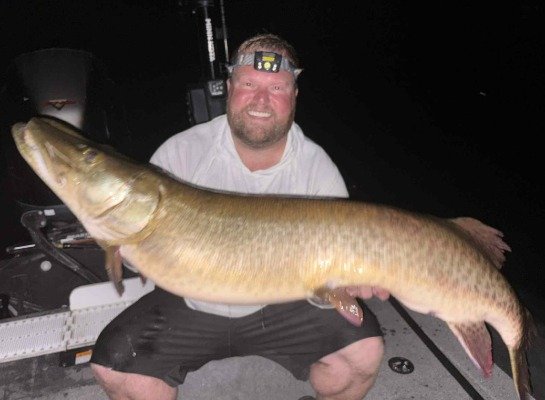
The musky fishery deserves specific attention. Lake Minnetonka’s musky stocking program began in the late 1970s and has established a genuine trophy fishery on a metro lake — which is genuinely unusual. The combination of extensive weed structure, deep basin areas, and a strong baitfish population has created ideal musky habitat. For Midwest musky anglers accustomed to making long drives to Northwoods lakes — Minnetonka offers a legitimate trophy musky fishery 15 miles from downtown Minneapolis. The bass tournament scene is equally significant — multiple organized tournaments run on Minnetonka annually drawing competitive anglers from across the Twin Cities metro and beyond.
Navigating Lake Minnetonka — What First-Timers Need to Know
Lake Minnetonka’s connected bay and channel system actually makes it a great lake for a casual family cruise — there’s always something new around the next point and the variety of coves and bays keeps it interesting at slow speeds. But boaters need to take the speed limits and no-wake zones seriously. During that same musky tournament I mentioned, several boats got disqualified — not for anything on the water, but for speed violations on the lake. I don’t think any of them were intentionally breaking rules. They just weren’t paying attention, and on a lake with 23 bays and slow-no-wake channels connecting them, inattention gets expensive fast. The LMCD enforces these rules actively. A tournament disqualification stings — a citation stings differently. Know the rules before you launch.
Lake Minnetonka’s 23 connected bays and narrow channel system creates navigation complexity that surprises first-time visitors. Several practical considerations for anyone new to the lake:
- Load a Lakemaster chip — Lake Minnetonka’s connected bay system, submerged points, and the numerous channel connections between basins make a chartplotter loaded with Minnesota lake data genuinely useful — not just for fishing but for basic navigation between areas of the lake
- Know your bay — when you tell a service shop or tow service where you are on Minnetonka they will ask which bay. Learn the names of the major bays — Wayzata Bay, Crystal Bay, Maxwell Bay, Browns Bay, Halsted Bay, Smithtown Bay, North Arm — before you need to communicate your location
- Slow-no-wake channels — multiple narrow channels connecting the lake’s basins are slow-no-wake at all times regardless of the time of day or traffic level. These are posted but easy to miss on a first trip. Running through them at speed is both illegal and genuinely dangerous given the channel width
- Weekend traffic management — peak summer weekends on Lake Minnetonka — particularly July Fourth and Labor Day — put significant boat traffic on a relatively compact connected lake system. Early morning launches avoid the peak weekend traffic. If you’re fishing — target the quieter bays away from the main recreational traffic corridors
- The Wayzata waterfront — downtown Wayzata on the north shore of the lake is one of the most popular destination docking spots on any Midwest lake. The municipal docks allow temporary tie-up for dining and shopping. On peak summer weekends — arrive early or plan to anchor and dinghy in
The Lake Minnetonka Service Timing Reality
Lake Minnetonka’s proximity to the Twin Cities creates a specific service timing dynamic that rural Minnesota lake markets don’t face. Here’s what boat owners on Minnetonka need to know about scheduling service:
| Period | Shop Availability | Recommendation |
| February — March | Best availability of the year | Spring commissioning — book now for May launch |
| April | Busy — pre-season rush beginning | Book early — shops filling fast |
| May — June | Very busy — peak season launch | Emergency service available — routine appointments scarce |
| July — August | Busiest period | Routine service difficult — emergency only |
| September — October | Improving — winterization season | Book winterization in September — best shops fill by early October |
| November — December | Good availability | Off-season service work — shops have capacity |
The critical timing insight for Lake Minnetonka boat owners — book winterization in September. The lake’s enormous boat population combined with the compressed Minnesota fall window means shops in the Wayzata, Excelsior, and Spring Park corridor fill their fall service schedules faster than almost any other market in the directory. The boat owners who call in late October hoping for same-week service are invariably the ones who end up with a rushed job or a long wait. Book in September when shops still have availability and give your boat the thorough end-of-season service a Minnesota winter demands.
From the Water
Lake Minnetonka is a unique place and worth the trip for any Midwest boater at least once. If you’re looking for a more relaxed experience — plan your visit on a weekday or wait until after Labor Day when the summer crowds thin out and the lake shows a different, quieter side of itself. If you’re coming to fish — plan to be on the water at first light or fish after dark. By mid-morning on a summer weekend the pleasure boats are up and running and the fishing window has closed. I always say the best fishing on a busy lake happens before the pleasure boats are done with breakfast. As on any high-traffic lake, stay focused and keep your head up — for your sake and your passengers’. Be prepared and be attentive.
Frequently Asked Questions About Boating on Lake Minnetonka
What is the speed limit on Lake Minnetonka?
All watercraft on Lake Minnetonka must operate at 5 mph or less within 300 feet of the shoreline. This rule is enforced lakewide by the Lake Minnetonka Conservation District and local law enforcement — particularly on peak summer weekends. Additional slow-no-wake zones apply throughout the connecting channels between bays. There is no general open-water speed limit beyond the 300-foot shore zone but all operators must maintain safe speeds given traffic and conditions.
Do I need a special permit to boat on Lake Minnetonka?
Minnesota requires all boaters born after June 30, 2004 to hold a valid watercraft operator’s permit to operate a motorized vessel — a new requirement that took effect in July 2025. This will expand to all operators by 2028. Commercial and for-hire operations on Lake Minnetonka additionally require permits from the Lake Minnetonka Conservation District. Out-of-state visitors should verify current Minnesota DNR reciprocity rules for boating education certificates from their home state.
What fish can I catch on Lake Minnetonka?
Lake Minnetonka supports a diverse fishery including musky, largemouth and smallmouth bass, walleye, northern pike, crappie, bluegill, and sunfish. The musky fishery — established through stocking programs beginning in the late 1970s — is a genuine trophy fishery on a metro lake within 15 miles of Minneapolis. The bass tournament scene is active with multiple organized events annually. Ice fishing for crappie, bluegill, and walleye is a popular winter activity.
Where do I find marine service on Lake Minnetonka?
Marine service is concentrated in Wayzata, Spring Park, Excelsior, Mound, and Shorewood. River Valley Marine and Wayzata Marine serve the north shore. MarineMax Excelsior and Bean’s Greenwood Marina serve the south shore. Rockvam Boat Yards and Lake Minnetonka Motorsports cover Spring Park. Erickson Marine at Tonka Bay Marina serves the central lake. Find Boat Services lists over 20 verified providers across the Lake Minnetonka corridor.
When should I book boat service on Lake Minnetonka?
Book winterization in September — not October. The Twin Cities metro boat population combined with Minnesota’s compressed fall service window means established shops fill their October schedules fast. Book spring commissioning in February or March for a May launch. Avoid scheduling routine service in July and August — peak season demand makes appointments scarce. The best shops on Minnetonka have waitlists for both service appointments and covered slip rentals — establish a shop relationship early in the season.

Author: Aaron Drendel
A US Navy veteran, Aaron has worked as a commercial Salmon fisherman in Alaska, canoed 2,500 miles down the Mississippi River from source to sea, and is a lifelong fisherman in the Midwest region. He founded Find Boat Services to ensure fellow boaters across the Heartland spend less time on the trailer and more time on the water.


Leave a Reply